
Drone-hunting on the border, plus turmoil at an Air Force think tank
NORTHCOM is testing ways to counter drone incursions, while an Air Force institute focused on China faces questions about its future.
NORTHCOM is testing ways to counter drone incursions, while an Air Force institute focused on China faces questions about its future.

The new “Advanced Battle Manager” for the widely used Forward Area Air Defense (FAAD) command-and-control system was field-tested at Yuma Proving Grounds this summer, the company says.

AI is reshaping the Army’s approach to cyber, electronic warfare and command and control. At TechNet Augusta 2026, leaders outlined how they’re turning emerging technology into capabilities for the battlefield.

Some systems shot the drones, others brought hit them with electronic attacks.

“This is a journey to see what's possible, what can we do with today's technologies, for a relatively minor cost,” Gen. John Murray told us. “Project Convergence ’20 cost us about the same thing as one Combat Training Center rotation” -- $23 million.
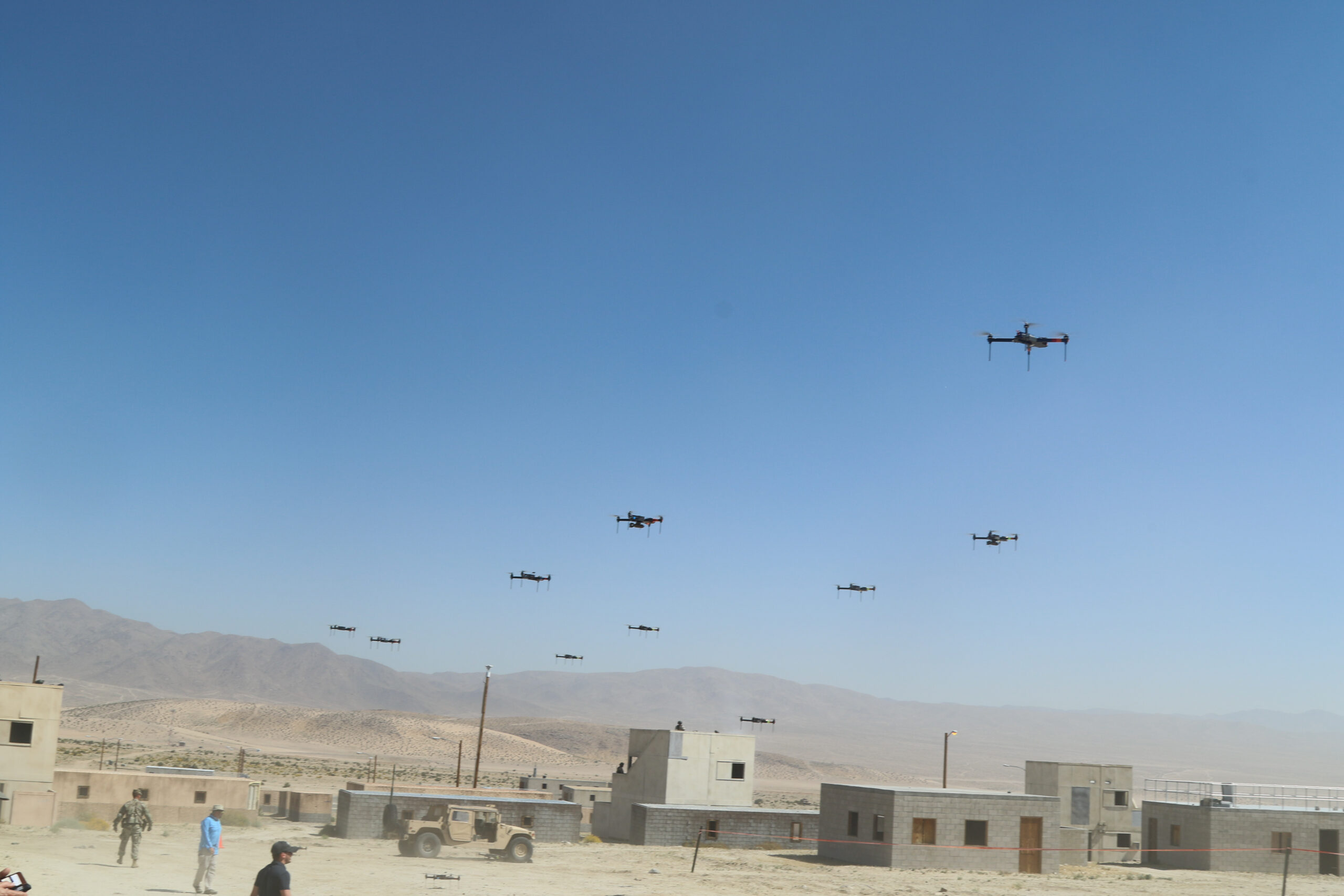
In April, the Yuma, Ariz. test range will host a competition of “low collateral damage” countermeasures designed to stop mini-drones without firing a shot. But can such a restrained approach stop the drone swarms Russia and others are developing?

Next fall, the Army aims to test a new artificial intelligence for artillery and fire the prototype PrSM missile to its full 300-plus-mile range -- once they find a venue that's big enough.

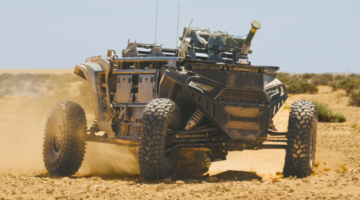
One commander, many robots: Fully autonomous ground vehicles are reshaping the battlefield.

The Army’s future-warfare exercise overcame a host of technical glitches to link systems ranging from NRO and NGA spy satellites to Marine Corps fighter jets.

“I have never in my life seen the cooperation between the agencies…the services…[and] across the Army” that’s happening in this fall’s wargames, Army space expert Willie Nelson told me.
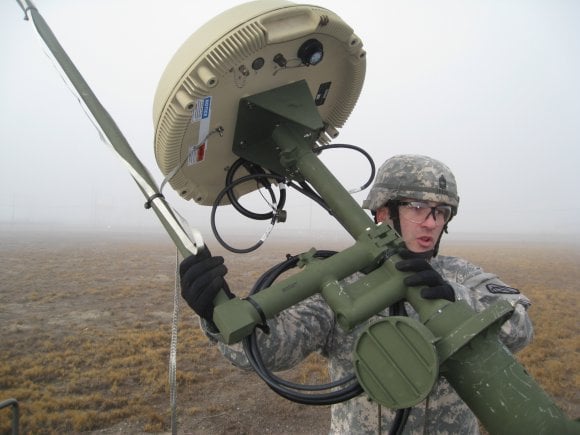
How do you get targeting data from satellite to howitzer in less than 20 seconds, on a tactical network that was never designed to do that? You improvise, Maj. Gen. Peter Gallagher told me.
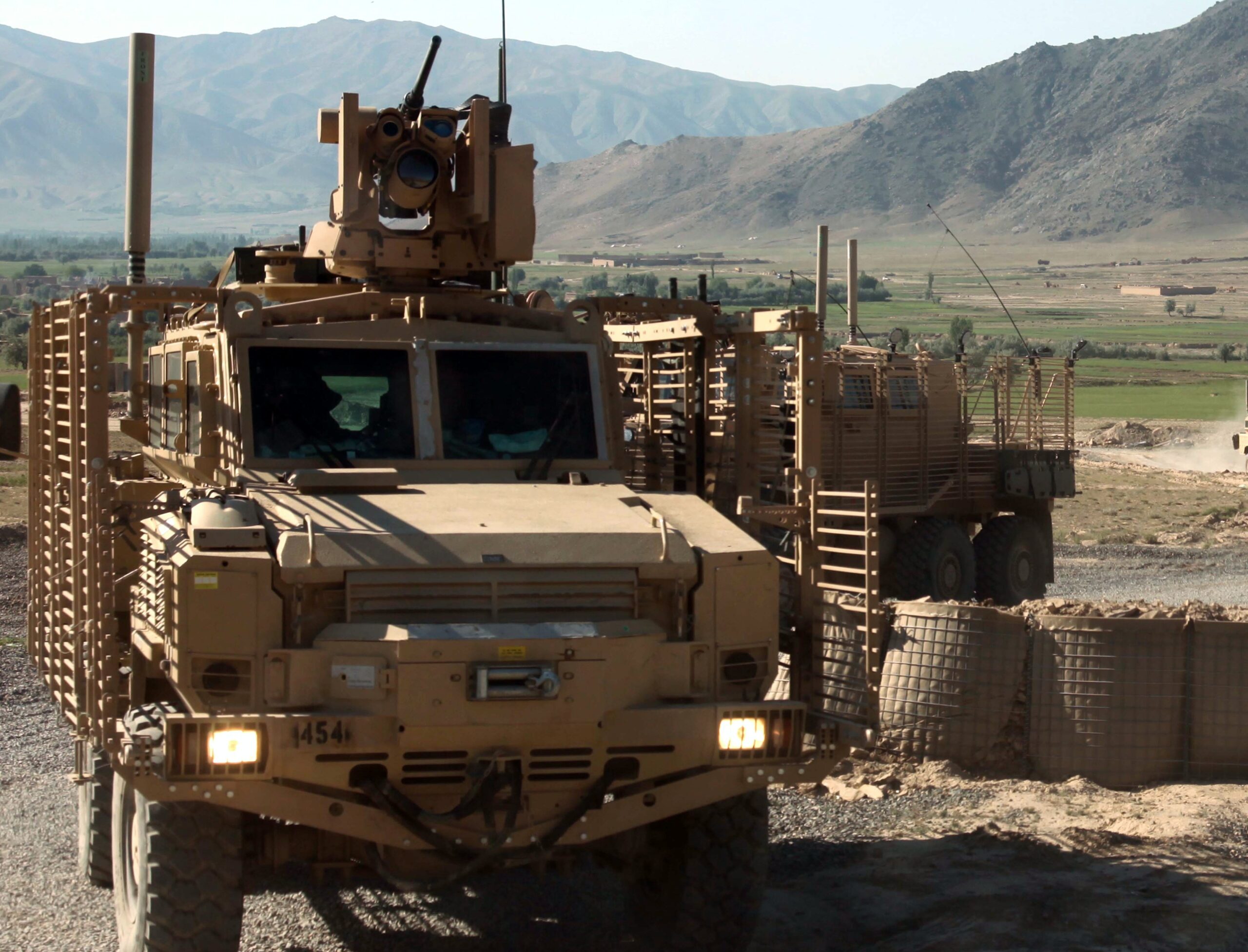
Instead of a single centralized Skynet trying to mastermind (or micromanage) operations, the Army is looking at a federation of more specialized, less ambitious AIs, each assisting humans in different ways.

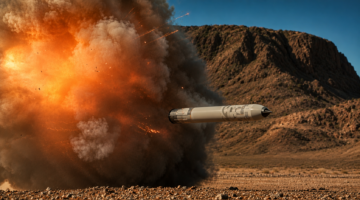
The goal of such weaponization is to tie warfighter needs to the RDT&E cycle.

This fall’s first Project Convergence exercise aims to feed targeting data from satellites to artillery so fast that gunners can unleash precision fire in much less than a minute. And that’s just the start.

BAE will deliver the first 18 ERCA vehicles by 2023 – but the Army is already working on further upgrades.

The Army’s embattled missile defense network, IBCS, passed a major field test at Yuma Proving Ground in October, contractor Northrop Grumman announced today. In stark contrast to chronic software crashes early on, the command-and-control system accurately tracked everything from drones to helicopters to fighter jets, both Army aircraft and Marine ones. (It’s hit ballistic and […]

YUMA: The first F-35 Bravos are arriving at Marine Corps Air Station (MCAS) Yuma later this month. By early next year, the full complement of 16 F-35 Bs will have arrived to replace Yuma’s four existing squadrons consisting of 56 AV-8B Harriers. This is the beginning of the next 100 years of naval aviation for […]